
Why Natural Light Could Be the Most Overlooked Medicine on Earth - 05/08/2026
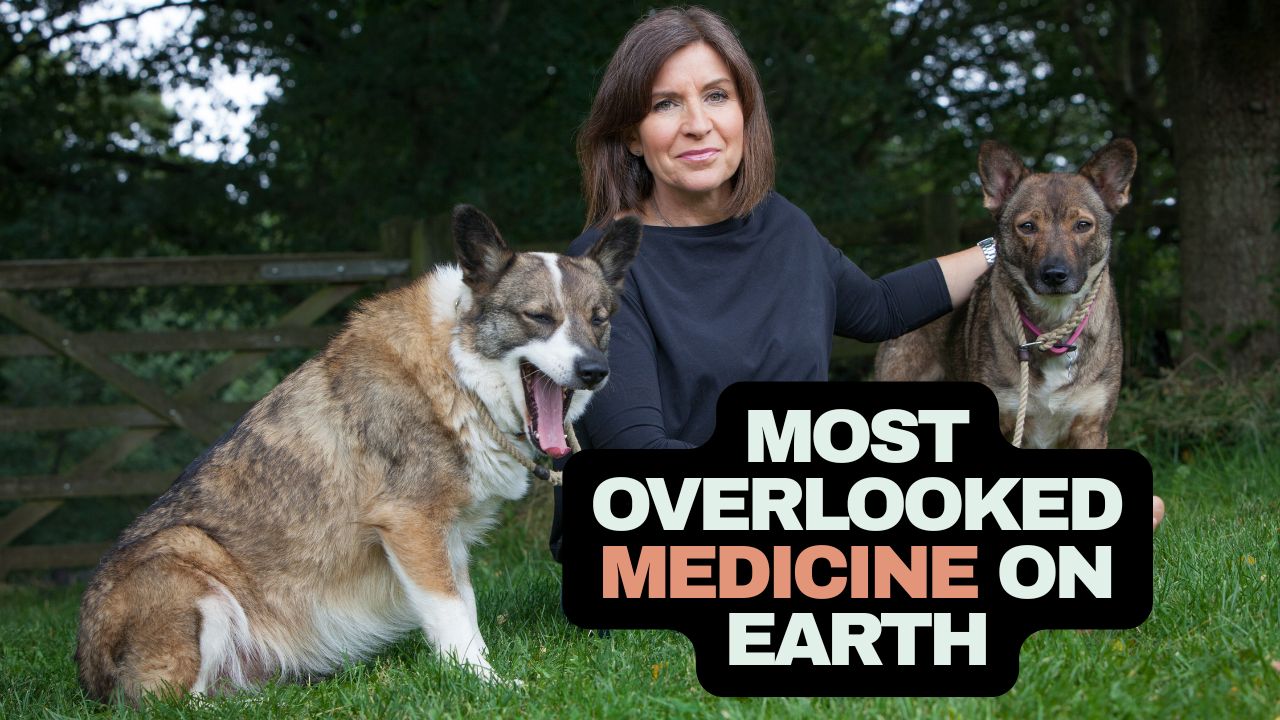
The MOST Overlooked Medicine on Earth
I rarely tell people they need to watch a video.
This is one of those exceptions.
We spend so much time discussing protein, supplements, detoxification and microbiome health that we often overlook something we evolved with every single day...
Natural light.
Not just for making vitamin D.
Not just for lifting our mood.
But for how every cell in our body functions.
The other key missing piece of the health jigsaw puzzle that this video brings out better than any other i have listened to is:
"Timing is the new nutrient."
I think this is so profound and completely overlooked.
Nothing works in isolation, and we are not isolated from our environment - or we shouldn’t be!
When we're exposed to light... and when we're exposed to darkness are absolutely key components of health, and modern life completely scrambles our natural rhythms. .
My biggest takeaways
☀️ 1. Sunlight isn't just for your skin.
Research discussed in the interview suggests that infrared wavelengths from sunlight can penetrate much deeper into the body than previously thought, potentially influencing mitochondrial function well beyond the skin. Since mitochondria are responsible for producing cellular energy, this raises fascinating questions about the role natural light may play in overall health.
🌿 2. Green spaces may be far more therapeutic than we realise.
One of the most fascinating discussions centered around why spending time amongst trees and vegetation appears to benefit health.I completely resonate with this as I know that I feel amazing when surrounded by trees - I always have.
The explanation isn't simply cleaner air or exercise.
Green leaves reflect a large amount of infrared light, potentially increasing our exposure to wavelengths that may support mitochondrial function.
That "go for a walk in nature" isn't just good advice...
it's biology.
🌅 3. Morning light helps determine how well you'll sleep tonight.
One of the clearest messages from the interview was that our body clock depends upon receiving the right light at the right time.
Morning daylight helps establish a healthy cortisol rhythm.
That, in turn, helps melatonin rise naturally later in the evening.
Poor mornings often create poor nights.
📱 4. Darkness matters just as much as light.
This is something I often encourage my clients to think about... and, if I'm honest, it's also a reminder to myself! I still haven't got curtains in my bedroom (yes, I know...), although I do at least stick to incandescent lighting and make the most of natural daylight.
Many people have become incredibly good at extending our days.
Phones.
Television.
LED lighting.
Scrolling.
Our brains interpret much of this as "it's still daytime."
The result?
Delayed melatonin.
Poor sleep.
Reduced recovery.
Luckily the solution isn't complicated.
Seek bright natural light during the day.
Reduce artificial light at night.
🚶♀️ 5. Nature really is medicine.
The biggest reminder is always my favourite:
Health isn't found in one magic supplement.
It's found in consistently giving our bodies the environment they evolved within.
Walking.
Fresh air.
Natural daylight.
Green spaces.
Dark nights.
Good sleep.
Real food.
None of these are particularly glamorous, yet together, they may be some of the most powerful health interventions available to us.
🐾 And don't forget our animals...
As I listened to this interview, I couldn't help thinking about our dogs, horses and other animals (I never forget my guinea pigs).
Many now spend far more time indoors than nature ever intended.
Artificial lighting.
Limited natural daylight. (including constant rugs and fly masks on horses)
Less opportunity to move freely outdoors.
It raises an important question...
Of course the same biological principles apply to them?
Giving our animals regular access to natural daylight, fresh air, movement and nature isn't simply enrichment...
It is supporting their health at a much deeper level.
My biggest lesson?
We've become incredibly good at discussing nutrition.
Perhaps it's time we started talking about light nutrition too.
Just as there's highly processed food...
There's also highly processed light.
One of the simplest ways to improve our health is to spend a little less time under LEDs...
...and a little more time under the sky.
Here are two amazing resources that are well worth watching if you'd like to explore the science in more depth. I've linked them both below.
Youtube Video Doctor Reveals The MOST Overlooked Medicine on Earth
Dr. Eric Berg DC
And Sunspiracy Free On Ickonic https://ickonic.com/watch/3888
Let me know the top takeaways from you
Catherine x